Top Savings Strategies for Australians in 2026
Learn how to save money effectively in Australia, despite rising inflation and changing interest rates.
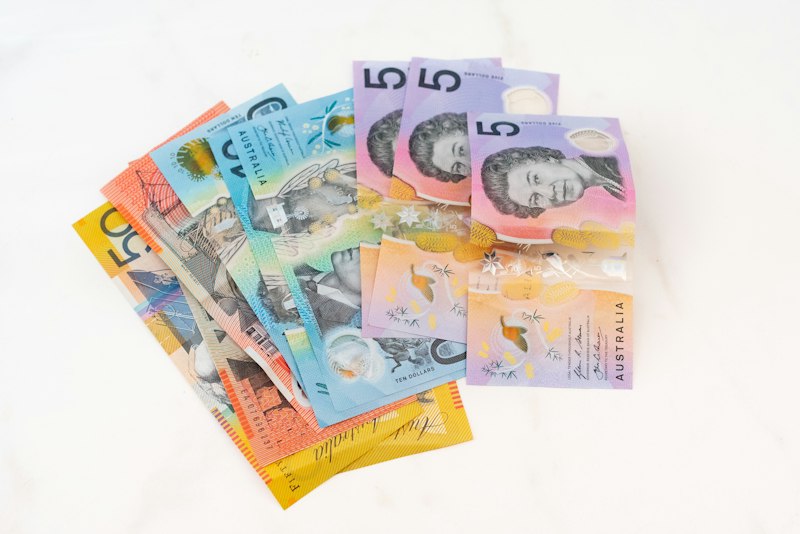
Top Savings Strategies for Australians in 2026
In Australia, where inflation is on the rise and interest rates are fluctuating, saving money effectively requires a well-thought-out plan. With the right strategies, you can safeguard your finances, achieve your long-term goals, and enjoy a comfortable retirement. In this article, we'll explore the top savings strategies for Australians in 2026, including leveraging tax-advantaged accounts, optimizing your superannuation, and making the most of cash flow management.
Understanding Your Superannuation
Superannuation is a key component of your savings plan in Australia. As an employee, your employer contributes 9.5% of your salary to your super fund, while you can also contribute up to $30,000 per year to your concessional cap. The non-concessional cap is $110,000 per year, and you can use the first home saver scheme (FHSS) to save for your first home. Here's a breakdown of the key superannuation contribution limits:
| Contribution Type | Annual Limit |
|---|---|
| Concessional (pre-tax) | $30,000 |
| Non-concessional (after-tax) | $110,000 |
| Total Superannuation Balance (TSB) | $1,600,000 |
By optimizing your superannuation contributions, you can minimize tax on your savings and maximize your retirement benefits.
Leveraging Tax-Advantaged Accounts
In addition to superannuation, there are other tax-advantaged accounts available to Australians, such as:
- High-interest savings accounts, which offer competitive interest rates and flexibility.
- Term deposits, which provide a fixed return on investment and low risk.
- Index funds, which track the ASX 200 and offer broad diversification.
Here's a comparison of some popular high-interest savings accounts in Australia:
| Bank | Interest Rate | Fees |
|---|---|---|
| CommSec | 2.50% | $0/month |
| SelfWealth | 2.30% | $0/month |
| Pearler | 2.20% | $0/month |
| Stake | 2.10% | $0/month |
When choosing a tax-advantaged account, consider the interest rate, fees, and flexibility to ensure it aligns with your savings goals.
Effective Cash Flow Management
Managing your cash flow is crucial to achieving your savings goals. By tracking your income and expenses, you can identify areas for reduction and allocate your funds more effectively. Here's an example of how to create a budget:
| Category | Monthly Income | Monthly Expenses |
|---|---|---|
| Housing | $2,000 | $1,500 |
| Transportation | $500 | $300 |
| Food | $800 | $500 |
| Entertainment | $500 | $200 |
| Savings | $1,000 | $0 |
By prioritizing your expenses and allocating 10% to 20% of your income towards savings, you can make significant progress towards your goals.
Maximizing Your Savings Potential
To maximize your savings potential, consider the following strategies:
- Set up a regular savings plan to ensure consistent contributions.
- Take advantage of franking credits on dividends to reduce your tax liability.
- Utilize the 50% capital gains tax (CGT) discount on assets held over 12 months.
- Consider investing in index funds or other low-cost investment options.
Here's an example of how to calculate the CGT discount:
| Asset Value | Holding Period | CGT Discount |
|---|---|---|
| $10,000 | 12 months | 50% ($5,000) |
| $20,000 | 24 months | 50% ($10,000) |
By implementing these strategies, you can optimize your savings and achieve your long-term goals.
Frequently Asked Questions
How much should I save each month in Australia?
To determine how much you should save each month, consider your income, expenses, and savings goals. Aim to allocate 10% to 20% of your income towards savings. For example, if you earn $5,000 per month, a good starting point would be to save $500 to $1,000 per month.
What is the best savings account for me in Australia?
The best savings account for you will depend on your individual needs and preferences. Consider the interest rate, fees, and flexibility offered by different banks and financial institutions. Here's a comparison of some popular high-interest savings accounts in Australia:
| Bank | Interest Rate | Fees |
|---|---|---|
| CommSec | 2.50% | $0/month |
| SelfWealth | 2.30% | $0/month |
| Pearler | 2.20% | $0/month |
| Stake | 2.10% | $0/month |
How can I save for retirement in Australia?
To save for retirement in Australia, consider the following strategies:
- Contribute to your superannuation account, taking advantage of the concessional and non-concessional caps.
- Utilize the first home saver scheme (FHSS) to save for your first home.
- Invest in a tax-advantaged account, such as a high-interest savings account or index fund.
- Prioritize your retirement savings by allocating a significant portion of your income towards these goals.
Summary
Saving money effectively in Australia requires a well-thought-out plan. By leveraging tax-advantaged accounts, optimizing your superannuation contributions, and managing your cash flow effectively, you can achieve your long-term goals and enjoy a comfortable retirement. Remember to prioritize your savings, take advantage of available strategies, and regularly review and adjust your plan to ensure you're on track to meet your objectives.