10 Ways to Save Money on a Tight Budget in Australia in 2026
Learn how to save money in Australia even with a tight budget using these practical tips and strategies.
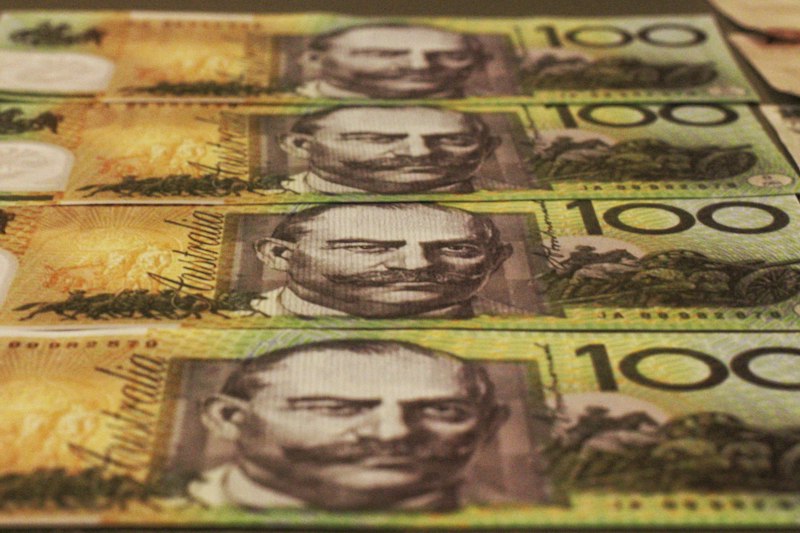
10 Ways to Save Money on a Tight Budget in Australia in 2026
Saving money on a tight budget in Australia can be challenging, but with the right strategies and mindset, you can make progress towards your financial goals. Australians are known for their love of shopping, dining out, and taking trips, but with the rising cost of living and increasing interest rates, it's time to get creative with your budget. According to the Australian Bureau of Statistics (ABS), the average Australian household expenditure is around $2,500 per week, leaving little room for saving. In this article, we'll explore 10 practical ways to save money on a tight budget in Australia in 2026.
Reduce Your Grocery Bills
How to Save $100 on Groceries Each Month
Groceries are one of the biggest expenses for most households, but there are ways to save money on your weekly shopping trip. Here are some tips to reduce your grocery bills:
| Tip | Average Savings |
|---|---|
| Plan your meals and make a shopping list | $20-$30 |
| Buy in bulk and use coupons | $10-$20 |
| Shop at Aldi or Lidl | $30-$50 |
| Cook at home instead of ordering takeout | $50-$100 |
By implementing these strategies, you can save an average of $100 on your grocery bills each month.
Use Cashback Apps and Loyalty Programs
You can also earn cashback and rewards by using cashback apps and loyalty programs. Some popular options include:
- Flybuys: Earn 1 point for every $1 spent at participating retailers, redeemable for cash or vouchers
- Coles Flybuys: Earn 1 point for every $1 spent at Coles supermarkets, redeemable for cash or vouchers
- Woolworths Rewards: Earn 1 point for every $1 spent at Woolworths supermarkets, redeemable for cash or vouchers
These programs may not seem like much, but they can add up over time and help you save money on your everyday expenses.
Take Advantage of Tax Deductions and Credits
The Australian Taxation Office (ATO) offers various tax deductions and credits that can help you save money on your taxes. Here are some examples:
- The Low and Middle Income Tax Offset: A tax offset of up to $1,080 for low- and middle-income earners
- The First Home Saver Scheme (FHSS): A tax deduction of up to $1,320 for first-home buyers who contribute to a superannuation fund
- The Small Business Superannuation Clearing House (SBSC): A tax deduction of up to $20,000 for small businesses that pay superannuation on behalf of employees
Make sure to claim these deductions and credits on your tax return to reduce your tax liability.
Save on Entertainment and Hobbies
You don't have to break the bank to have fun and pursue your hobbies. Here are some ideas:
- Look for free or low-cost entertainment options, such as parks, museums, and community events
- Use streaming services like Netflix or Stan instead of buying DVDs or attending concerts
- Join a book club or hiking group to socialize and save money on individual activities
By finding free or low-cost alternatives, you can save money on entertainment and hobbies.
Use the 50/30/20 Rule
The 50/30/20 rule is a simple way to allocate your income towards necessary expenses, discretionary spending, and saving. Here's how it works:
- 50% of your income goes towards necessary expenses, such as rent, utilities, and groceries
- 30% towards discretionary spending, such as entertainment and hobbies
- 20% towards saving and debt repayment
By following this rule, you can ensure that you're saving enough for the future while still enjoying your life today.
Save on Utilities and Services
You can also save money on your utility bills and services by:
- Using energy-efficient appliances and turning off lights when not in use
- Canceling subscription services you don't use, such as gym memberships or streaming services
- Negotiating with service providers to get a better deal on your phone or internet plans
By reducing your utility bills and service costs, you can free up more money for saving and debt repayment.
Use Salary Sacrifice to Save on Taxes
Salary sacrifice is a tax-effective way to save for retirement or other goals. By sacrificing a portion of your income to a superannuation fund, you can reduce your taxable income and save on taxes. For example, if you earn $80,000 per year and sacrifice 10% of your income to a superannuation fund, you'll save around $6,400 in taxes.
Invest in a First Home Saver Scheme
The First Home Saver Scheme (FHSS) is a government-funded program that helps first-home buyers save for a deposit. By contributing to a superannuation fund, you can earn interest and tax benefits, and withdraw up to $15,000 towards a deposit.
Use the CGT Discount to Save on Capital Gains Tax
If you sell an investment property or asset, you may be liable for capital gains tax (CGT). However, if you hold the asset for more than 12 months, you can claim a 50% discount on the capital gain. This means you'll only pay CGT on 50% of the profit, rather than the full amount.
Frequently Asked Questions
How much should I save each month in Australia?
A good rule of thumb is to save at least 20% of your income towards necessary expenses, such as rent, utilities, and groceries. However, if you're on a tight budget, you may need to start with a smaller amount and gradually increase it over time.
What are the best ways to save money on a tight budget in Australia?
Some of the best ways to save money on a tight budget in Australia include reducing your grocery bills, taking advantage of tax deductions and credits, saving on entertainment and hobbies, using the 50/30/20 rule, and investing in a First Home Saver Scheme.
How can I save money on my utility bills and services?
You can save money on your utility bills and services by using energy-efficient appliances, canceling subscription services you don't use, and negotiating with service providers to get a better deal on your phone or internet plans.
Summary
Saving money on a tight budget in Australia requires creativity, discipline, and a willingness to make changes to your spending habits. By implementing the strategies outlined in this article, you can reduce your expenses, save money, and achieve your financial goals. Remember to take advantage of tax deductions and credits, save on entertainment and hobbies, and use the 50/30/20 rule to allocate your income towards necessary expenses, discretionary spending, and saving.