50 Ways to Save Money on Everyday Expenses in Australia
Discover practical tips and tricks to reduce your daily expenses and save money in Australia.
50 Ways to Save Money on Everyday Expenses in Australia
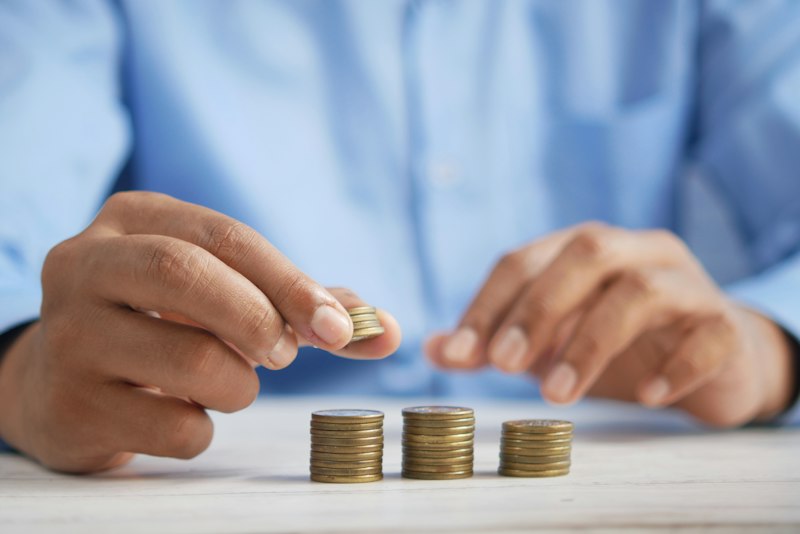
Cutting down on unnecessary expenses is one of the most effective ways to boost your savings in Australia. By implementing simple changes to your daily habits and taking advantage of tax benefits, you can significantly reduce your daily expenses and save money for the future. In this article, we'll explore 50 practical tips to help you save money on everyday expenses in Australia.
Reducing Household Expenses
- Switch to energy-efficient appliances: Replace old appliances with energy-efficient ones to save up to $100 on your electricity bill.
- Use power strips: Plug electronics like TVs and computers into power strips and turn them off when not in use to avoid standby power consumption.
- Adjust your thermostat: Lower the temperature in winter and raise it in summer to save up to $150 per year on heating and cooling costs.
- Use eco-friendly cleaning products: Switch to environmentally friendly cleaning products that are gentler on surfaces and the environment.
- Cancel subscription services: Review your subscription services like streaming platforms, gym memberships, and magazine subscriptions. Cancel any that you don't use regularly.
Saving on Food and Groceries
- Plan your meals: Plan your meals for the week to avoid food waste and save up to $50 per week on groceries.
- Buy in bulk: Purchase non-perishable items in bulk and store them properly to save up to 20% on groceries.
- Shop at local farmers markets: Buy fresh produce from local farmers markets to save up to 30% on grocery bills.
- Use cashback apps: Use cashback apps like Flybuys or Woolworths Rewards to earn points on your grocery purchases.
- Avoid impulse buys: Stick to your shopping list and avoid buying impulse items to save up to $20 per week.
Cutting Down on Transportation Costs
- Carpool or use public transport: Share rides with colleagues or use public transport to save up to $100 per week on fuel and parking.
- Maintain your vehicle: Regularly maintain your vehicle to avoid costly repairs and reduce fuel consumption.
- Use electric or hybrid vehicles: Consider switching to electric or hybrid vehicles for lower fuel costs and reduced emissions.
- Cancel unnecessary insurance: Review your insurance policies and cancel any unnecessary coverage to save up to $50 per year.
- Use fuel-efficient driving techniques: Drive efficiently to save up to $10 per week on fuel costs.
Saving on Insurance and Bills
- Bundle services: Bundle your services like internet, TV, and phone to save up to $20 per month.
- Shop around for insurance: Compare insurance quotes from different providers to save up to 20% on premiums.
- Take advantage of government rebates: Claim government rebates on energy-efficient appliances and solar panels to save up to $1,000.
- Use a price comparison website: Use a price comparison website like Mozo or Canstar to find the best deals on services and products.
- Negotiate with service providers: Negotiate with service providers to reduce your bills and save up to $50 per month.
Leveraging Tax Benefits
- Contribute to superannuation: Contribute to your superannuation fund to save up to 15% on income tax.
- Take advantage of the first-home saver scheme: Use the First Home Saver Scheme (FHSS) to save for a deposit on a property.
- Salary sacrifice: Salary sacrifice your superannuation contributions to save up to 15% on income tax.
- Claim franking credits: Claim franking credits on dividends to reduce your tax liability.
- Take advantage of the 50% capital gains tax discount: Hold onto assets for over 12 months to qualify for the 50% capital gains tax discount.
Saving on Entertainment and Leisure
- Use streaming services: Use streaming services like Netflix or Disney+ to save up to $20 per month on entertainment costs.
- Plan free activities: Plan free activities like hiking, picnics, or game nights to save up to $50 per week.
- Use cashback apps: Use cashback apps like Cashrewards or Shopback to earn points on entertainment purchases.
- Avoid dining out: Cook at home to save up to $20 per meal.
- Use a travel rewards credit card: Use a travel rewards credit card to earn points on travel expenses.
Saving on Education and Personal Development
- Take advantage of online courses: Use online courses like Coursera or Udemy to save up to 50% on education costs.
- Use a personal development budget: Allocate a budget for personal development expenses like books or workshops.
- Use a savings app: Use a savings app like Acorns or Raiz to save up to 10% on expenses.
- Take advantage of government-funded education programs: Use government-funded education programs like the Australian Government's VET Student Loans program.
- Use a budgeting app: Use a budgeting app like Mint or You Need a Budget (YNAB) to track your expenses and stay on budget.
Saving on Healthcare and Wellness
- Take advantage of preventative healthcare: Use preventative healthcare services like regular check-ups and screenings to avoid costly medical bills.
- Use a wellness app: Use a wellness app like Headspace or Calm to save up to 20% on mental health expenses.
- Use a fitness app: Use a fitness app like Nike Training Club or JEFIT to save up to 20% on fitness expenses.
- Take advantage of government-funded healthcare programs: Use government-funded healthcare programs like Medicare or the Pharmaceutical Benefits Scheme (PBS).
- Use a health savings account: Use a health savings account (HSA) to save up to 10% on healthcare expenses.
Saving on Home and Garden
- Use a home maintenance budget: Allocate a budget for home maintenance expenses like repairs or renovations.
- Use a garden budget: Allocate a budget for garden expenses like fertilizers or tools.
- Use a home energy efficiency grant: Use a home energy efficiency grant to upgrade to energy-efficient appliances.
- Use a home improvement loan: Use a home improvement loan to finance home renovations or repairs.
- Use a local handyman service: Use a local handyman service to save up to 20% on home maintenance costs.
Saving on Travel and Holidays
- Use a travel rewards credit card: Use a travel rewards credit card to earn points on travel expenses.
- Plan free activities: Plan free activities like hiking or picnics to save up to $50 per week.
- Use a travel budgeting app: Use a travel budgeting app like Trail Wallet or Budget Your Trip to track your expenses and stay on budget.
- Use a travel rewards program: Use a travel rewards program like Qantas Frequent Flyer or Virgin Australia Velocity to earn points on travel expenses.
- Use a travel savings account: Use a travel savings account to save up to 10% on travel expenses.
Frequently Asked Questions
How much should I save each month in Australia?
The amount you should save each month in Australia depends on your income, expenses, and financial goals. Aim to save at least 10% of your net income each month. If you're struggling to save, consider automating your savings by setting up a direct debit from your bank account.
What are the best ways to save money on groceries in Australia?
Some of the best ways to save money on groceries in Australia include planning your meals, buying in bulk, shopping at local farmers markets, using cashback apps, and avoiding impulse buys. You can also consider using a budgeting app like Mint or You Need a Budget (YNAB) to track your grocery expenses and stay on budget.
How can I save money on my cost of living in Australia?
There are many ways to save money on your cost of living in Australia, including reducing household expenses, cutting down on transportation costs, saving on insurance and bills, and leveraging tax benefits. Consider using a price comparison website like Mozo or Canstar to find the best deals on services and products.
Summary
Saving money on everyday expenses in Australia requires discipline, patience, and a willingness to make changes to your daily habits. By implementing the 50 tips outlined in this article, you can significantly reduce your daily expenses and save money for the future. Remember to stay focused, track your expenses, and make adjustments as needed to achieve your financial goals.