10 Ways to Save Money from Your Paycheck in New Zealand in 2026
Discover practical tips and strategies to save money from your paycheck and achieve your financial goals in New Zealand.
10 Ways to Save Money from Your Paycheck in New Zealand in 2026
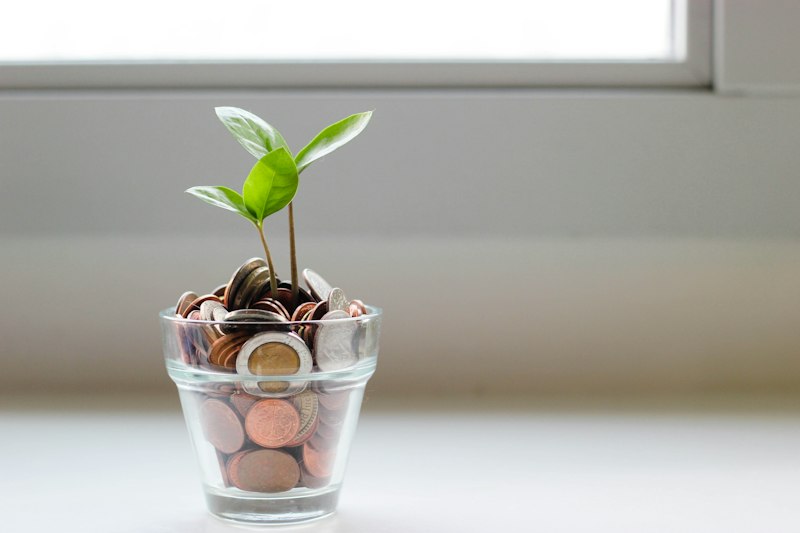
With the rising cost of living in New Zealand, it's essential to make the most of your paycheck by saving smart. Kiwis who start saving early can reap the rewards of a secure financial future, and with the right strategies, you can make saving from your paycheck a seamless habit. In this article, we'll explore 10 practical ways to save money from your paycheck in New Zealand in 2026.
## Employer-Matched KiwiSaver Contributions
One of the most effective ways to save money from your paycheck is by contributing to your KiwiSaver account. With the mandatory employer contribution of 3% and the member tax credit of $521.43 per year, you can earn up to $1,044.86 more in your KiwiSaver account each year. To maximize your employer match, aim to contribute at least 3% of your salary to your KiwiSaver account.
| Employer Contribution | Member Tax Credit | Total Employer Contribution |
|---|---|---|
| 3% | $521.43 | 3.52% |
| 4% | $521.43 | 4.52% |
| 5% | $521.43 | 5.52% |
Assuming an annual salary of $60,000, contributing 4% to your KiwiSaver account would result in a total employer contribution of 4.52% ($2,700 per year).
## Taking Advantage of Tax-Advantaged Accounts
Another way to save money from your paycheck is by utilizing tax-advantaged accounts such as PIE (Portfolio Investment Entity) funds. These accounts offer a tax rate of up to 28% on investment income, making them an attractive option for long-term investments. Consider allocating a portion of your paycheck to a PIE fund to take advantage of this tax benefit.
## Investing in a Tax-Effective Way
When investing in a PIE fund, consider the PIR (Prescribed Investor Rate) tax rate, which is capped at 28%. For example, if you invest $10,000 in a PIE fund and earn an annual return of 5%, you'll be taxed on the earnings at a rate of 28%, resulting in a taxable income of $280 ($10,000 x 5% x 0.28).
| Investment | PIR Tax Rate | Taxable Income |
|---|---|---|
| PIE Fund | 28% | $280 |
| Non-PIE Fund | 39% | $420 |
## Reducing Debt and Saving on Interest Charges
High-interest debt can be a significant obstacle to saving money from your paycheck. Prioritize paying off high-interest debt, such as credit card balances, as soon as possible. Consider consolidating debt into a lower-interest loan or credit card to reduce interest charges and free up more money in your budget for savings.
## Building an Emergency Fund
A vital component of saving money from your paycheck is building an emergency fund. Aim to save 3-6 months' worth of living expenses in a readily accessible savings account. This fund will help you weather financial storms, such as job loss or unexpected expenses, without dipping into your long-term savings.
## Cutting Back on Expenses
To free up more money in your budget for savings, identify areas where you can cut back on expenses. Consider ways to reduce your household expenses, such as cooking at home instead of eating out, canceling subscription services, and negotiating lower rates with service providers.
## Taking Advantage of Employee Benefits
Some employers offer benefits that can help you save money from your paycheck. For example, some employers match employee contributions to a retirement account or offer a flexible spending account (FSA) for medical expenses. Take advantage of these benefits to boost your savings.
## Setting Financial Goals
Saving money from your paycheck requires a clear understanding of your financial goals. Set specific, measurable, achievable, relevant, and time-bound (SMART) goals for yourself, such as saving for a down payment on a house or paying off high-interest debt.
## Automating Your Savings
To make saving from your paycheck a seamless habit, automate your savings by setting up a direct deposit from your paycheck to your savings account. This way, you'll ensure that you save a fixed amount regularly, without having to think about it.
## Monitoring and Adjusting Your Budget
Finally, regularly review your budget to ensure that you're on track to meet your financial goals. Adjust your budget as needed to reflect changes in your income, expenses, or financial priorities.
Frequently Asked Questions
How much should I save each month in New Zealand?
Aim to save at least 10% to 20% of your net income each month. Consider setting up a direct deposit from your paycheck to your savings account to make saving a seamless habit.
What are the benefits of KiwiSaver in New Zealand?
KiwiSaver offers a mandatory employer contribution of 3%, a member tax credit of $521.43 per year, and a government contribution of up to $521.43 per year. These benefits can help you save up to $1,044.86 more in your KiwiSaver account each year.
Can I withdraw my KiwiSaver contributions?
Yes, you can withdraw your KiwiSaver contributions before age 65, but you may be subject to penalties and fees. Consider keeping your KiwiSaver contributions invested for the long-term to maximize your returns.
Summary
Saving money from your paycheck in New Zealand requires a clear understanding of your financial goals, a solid budget, and a commitment to regular savings. By taking advantage of employer-matched KiwiSaver contributions, tax-advantaged accounts, and automating your savings, you can make saving from your paycheck a seamless habit. Remember to monitor and adjust your budget regularly to ensure that you're on track to meet your financial goals.