How to Optimize Your Retirement Savings in Singapore
Get general information on how to maximize your retirement savings in Singapore and achieve financial security in your golden years.
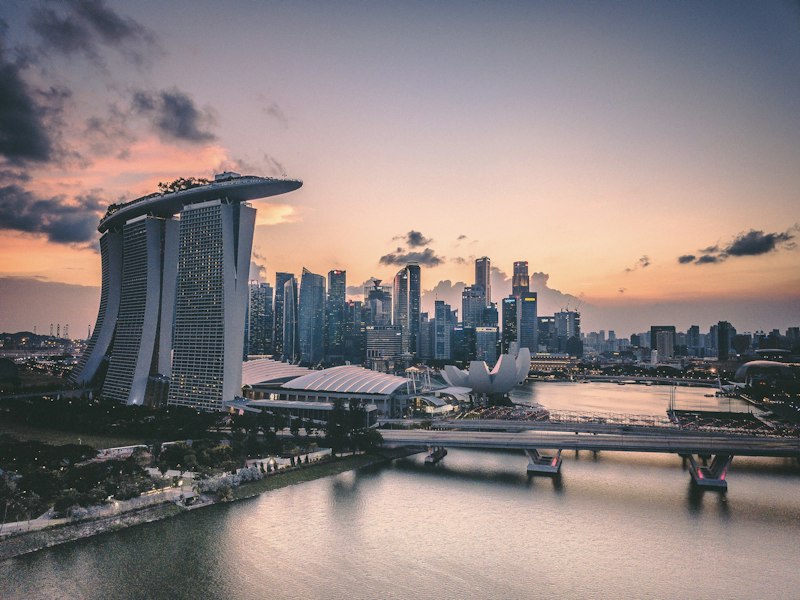
Optimizing your retirement savings in Singapore requires a strategic approach to maximize your returns and achieve financial security in your golden years. Retirement savings in Singapore can be optimized by leveraging the Central Provident Fund (CPF) scheme, which offers attractive interest rates of 2.5% per annum on your Ordinary Account (OA), 4% per annum on your Special Account (SA), and 4% per annum on your Medisave Account (MA). Additionally, the Supplementary Retirement Scheme (SRS) allows you to contribute up to S$15,300 per year, which is tax-deductible, providing a significant reduction in your taxable income.
Understanding the CPF Scheme
The CPF scheme is a crucial component of retirement savings in Singapore, with employees contributing 20% of their wages up to S$6,800 per month, while employers contribute 17%. The CPF scheme is divided into three accounts: OA, SA, and MA. The OA can be used for housing, education, and investment, while the SA is primarily used for retirement. The MA is used to pay for medical expenses. To optimize your retirement savings, it is essential to understand how to allocate your CPF contributions effectively. For instance, you can consider allocating more funds to your SA, which earns a higher interest rate of 4% per annum. You can also explore using the POEMS [1] platform to invest your CPF funds in a diversified portfolio.
Investing for Retirement
Investing for retirement is critical to growing your wealth over time. In Singapore, you can invest in a range of assets, including stocks, bonds, and index funds. The Straits Times Index (STI) is a popular benchmark for investors, and you can invest in STI-themed index funds through platforms like FSMOne. For example, you can invest in the Nikko AM STI ETF, which tracks the performance of the STI. Alternatively, you can consider investing in dividend-paying stocks, which can provide a regular income stream in retirement. As discussed in How to Achieve Financial Independence with Dividend Investing in Singapore, dividend investing can be an effective way to generate passive income.
| Investment Option | Returns | Risk Level |
|---|---|---|
| STI Index Fund | 5-7% per annum | Medium |
| Dividend-paying Stocks | 4-6% per annum | Medium to High |
| Bonds | 2-4% per annum | Low to Medium |
Tax Efficiency
Tax efficiency is crucial when it comes to retirement savings in Singapore. The SRS allows you to contribute up to S$15,300 per year, which is tax-deductible. This can result in significant tax savings, especially for higher-income individuals. For example, if you earn S$200,000 per year and contribute S$15,300 to the SRS, you can reduce your taxable income to S$184,700, resulting in tax savings of up to S$3,300. You can also consider investing in tax-efficient assets, such as index funds, which have lower fees and are more tax-efficient than actively managed funds. As discussed in How to Safeguard Your Savings from Inflation in Singapore, tax efficiency is essential to protecting your savings from inflation.
Retirement Planning
Retirement planning is essential to ensure that you have sufficient funds to last you throughout your golden years. In Singapore, the CPF LIFE scheme provides a guaranteed income stream for life, starting from age 65. However, you may need to supplement your CPF savings with other sources of income, such as investments or a part-time job. As discussed in Retirement Planning in Your 30s in Singapore, it is essential to start planning for retirement early to ensure that you have sufficient time to grow your wealth. You can use the A Starter Guide to Retirement Savings in Singapore 2026 to get started on your retirement planning journey.
Frequently Asked Questions
How much should I save each month in Singapore for retirement? To determine how much you should save each month for retirement, you can use the 50/30/20 rule, where 50% of your income goes towards necessities, 30% towards discretionary spending, and 20% towards saving and debt repayment. You can also consider using the How to Calculate Your Financial Independence Number to determine your retirement savings goal.
What is the best investment option for retirement savings in Singapore? The best investment option for retirement savings in Singapore depends on your risk tolerance, investment horizon, and financial goals. You can consider investing in a diversified portfolio of stocks, bonds, and index funds, or using a robo-advisor like StashAway or Autowealth. As discussed in How to Achieve Financial Independence through Index Funds in Singapore, index funds can be a low-cost and effective way to invest for retirement.
Can I use my CPF savings to invest in stocks or properties? Yes, you can use your CPF savings to invest in stocks or properties, but you need to be aware of the risks involved. You can use the CPF Investment Scheme to invest in a range of assets, including stocks, bonds, and properties. However, you should ensure that you have sufficient funds in your CPF accounts to meet your retirement needs before investing.
Summary
Optimizing your retirement savings in Singapore requires a strategic approach to maximize your returns and achieve financial security in your golden years. By leveraging the CPF scheme, investing for retirement, and being tax-efficient, you can grow your wealth over time and ensure that you have sufficient funds to last you throughout your retirement. Remember to start planning for retirement early and to review your retirement savings regularly to ensure that you are on track to meet your retirement goals. As discussed in How to Achieve Financial Independence in Singapore through Rental Income, achieving financial independence requires a long-term perspective and a well-thought-out plan.