How to Save Your First £50,000 in the UK
Get a step-by-step guide on how to save your first £50,000 in the UK, including budgeting tips, savings strategies, and investment advice.
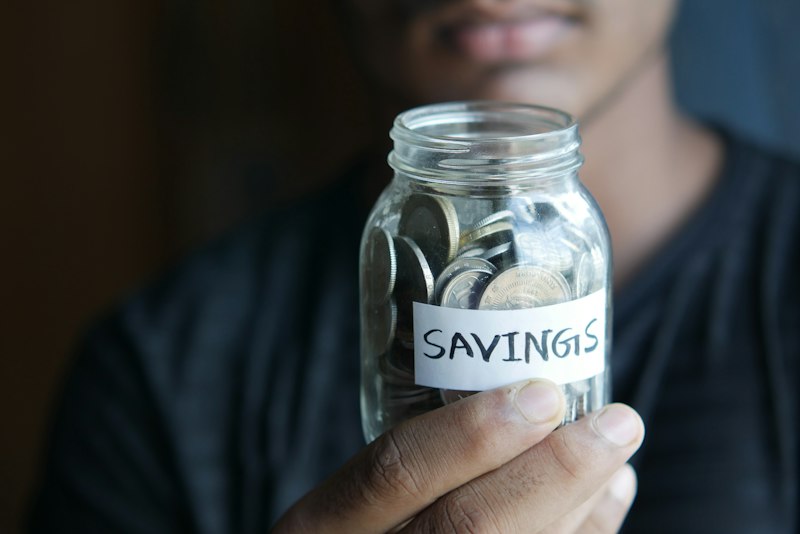
Saving your first £50,000 in the UK is a significant milestone that requires discipline, patience, and a well-thought-out plan. To achieve this goal, you'll need to create a budget, invest wisely, and take advantage of tax-advantaged accounts such as ISAs and SIPPs. For instance, if you're just starting out, you may want to begin by saving your first £5,000, as outlined in How to Save Your First £5,000 in the UK: A Beginner's Guide, and then scale up your efforts.
Understanding Your Finances
To save your first £50,000, you need to understand your current financial situation. Start by tracking your income and expenses to see where your money is going. Make a list of your essential expenses, such as rent, utilities, and food, and then identify areas where you can cut back. Consider using the 50/30/20 rule, where 50% of your income goes towards essential expenses, 30% towards discretionary spending, and 20% towards saving and debt repayment. You can also find more tips on saving money in the UK in How to Save Money in the UK: Tips and Tricks for 2026.
Creating a Budget
Once you have a clear picture of your finances, create a budget that allocates your income towards your goals. Aim to save at least 20% of your income towards your £50,000 goal. You can use a budgeting app or spreadsheet to track your progress and make adjustments as needed. Consider setting up a separate savings account, such as a Cash ISA or a Stocks & Shares ISA, to keep your savings separate from your everyday spending money. The annual allowance for ISAs is £20,000, and you can also consider contributing to a Lifetime ISA, which has a lower annual limit of £4,000.
Investing Your Savings
Investing your savings can help you grow your wealth over time. Consider using a low-cost index fund or ETF, such as those offered by Vanguard UK or InvestEngine, to invest in the stock market. These funds track a specific index, such as the FTSE 100 or FTSE All-Share, and provide broad diversification and low fees. You can also consider using a robo-advisor, such as Freetrade or AJ Bell, to manage your investments. When investing, it's essential to understand the risks and fees associated with each investment, as well as the tax implications. For example, you can invest up to £20,000 per year in an ISA, and the returns will be tax-free. However, if you invest outside of an ISA, you may be subject to capital gains tax, which has an annual allowance of £3,000.
Tax-Advantaged Accounts
The UK offers several tax-advantaged accounts that can help you save and invest for your future. ISAs, SIPPs, and Lifetime ISAs are all popular options. ISAs allow you to save up to £20,000 per year, and the returns are tax-free. SIPPs, on the other hand, are designed for retirement savings and allow you to contribute up to £40,000 per year. Lifetime ISAs are designed for first-time homebuyers and savers under the age of 40, and allow you to contribute up to £4,000 per year. Consider using these accounts to maximize your savings and minimize your tax liability. You can find more information on how to save for retirement in the UK in A Step-by-Step Guide to Saving Your First £20,000 in the UK in 2026.
Avoiding Debt
High-interest debt, such as credit card debt, can hinder your ability to save and invest. Avoid using credit cards for non-essential purchases, and consider consolidating your debt into a lower-interest loan or credit card. You can also consider using a debt snowball or debt avalanche method to pay off your debt. For example, if you have a credit card with a balance of £2,000 and an interest rate of 20%, you may want to consider transferring the balance to a lower-interest credit card or loan. You can find more tips on paying off debt in How to Pay Off Your UK Mortgage Early: Strategies, Savings, and What to Watch Out For.
Comparison of Investment Platforms
When it comes to investing, it's essential to choose a platform that meets your needs and provides low fees. Here is a comparison of some popular investment platforms in the UK:
| Platform | Fees | Investment Options |
|---|---|---|
| Vanguard UK | 0.15% - 0.30% | Index funds, ETFs |
| InvestEngine | 0.25% - 0.45% | Index funds, ETFs, active funds |
| Freetrade | 0.00% - 0.45% | Stocks, ETFs, index funds |
| AJ Bell | 0.25% - 0.45% | Index funds, ETFs, active funds |
| Hargreaves Lansdown | 0.45% - 0.60% | Index funds, ETFs, active funds |
As you can see, each platform has its own unique features and fees. It's essential to do your research and choose a platform that meets your investment goals and risk tolerance.
Worked Example
Let's say you want to save £50,000 in 5 years. To achieve this goal, you would need to save approximately £833 per month. Here's a breakdown of how you can invest your savings:
- £200 per month in a Cash ISA, earning an interest rate of 1.5%
- £300 per month in a Stocks & Shares ISA, invested in a low-cost index fund earning an average return of 5% per year
- £333 per month in a SIPP, invested in a low-cost index fund earning an average return of 5% per year
Over 5 years, your total savings would be approximately £50,000, with a potential return of £10,000 - £15,000, depending on the performance of your investments.
Frequently Asked Questions
How much should I save each month in the UK to reach my goal of £50,000? To save £50,000 in 5 years, you would need to save approximately £833 per month. However, this amount may vary depending on your individual circumstances and investment returns. It's essential to create a budget and investment plan that meets your specific needs and goals.
What is the best investment platform for a beginner in the UK? The best investment platform for a beginner in the UK will depend on your individual needs and goals. However, popular options include Vanguard UK, InvestEngine, and Freetrade. These platforms offer low fees, easy-to-use interfaces, and a range of investment options.
How do I avoid paying tax on my investments in the UK? To avoid paying tax on your investments in the UK, consider using tax-advantaged accounts such as ISAs and SIPPs. These accounts allow you to save and invest tax-free, and can help you minimize your tax liability. You can also consider using a tax-loss harvesting strategy to offset gains from your investments.
Summary
Saving your first £50,000 in the UK requires discipline, patience, and a well-thought-out plan. By creating a budget, investing wisely, and taking advantage of tax-advantaged accounts, you can achieve your goal and set yourself up for long-term financial success. Remember to avoid high-interest debt, and consider using a low-cost investment platform to grow your wealth over time. With the right strategy and mindset, you can reach your goal of £50,000 and beyond. You can also find more tips on saving and investing in the UK in How to Reach £100k Net Worth by 30 in the UK (Step-by-Step Guide) and How to Protect Your Finances from Inflation in the UK.