Renting vs Buying: Which Makes More Financial Sense?
The rent vs. buy debate depends on more than monthly costs. Here is how to run the numbers for your situation.
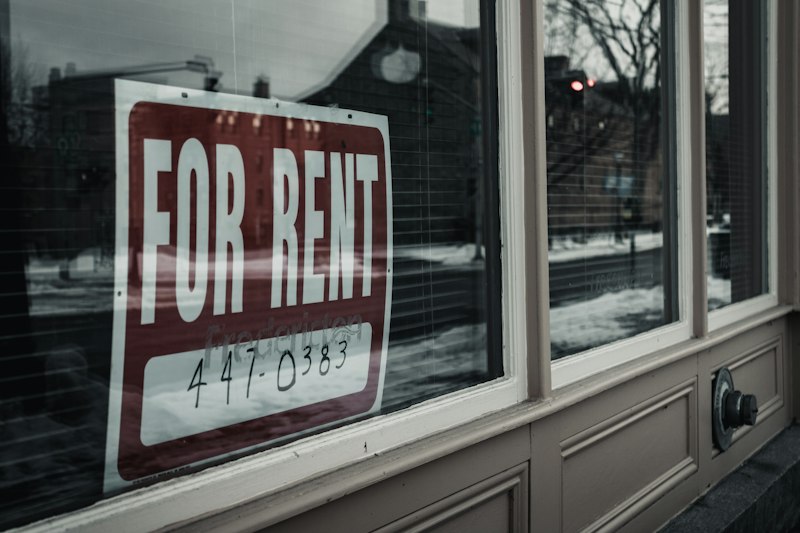
Renting vs Buying: Which Makes More Financial Sense?
When it comes to deciding whether to rent or buy a home in Canada, the answer isn't always simple. While many people assume that buying a home is the best long-term investment, the reality is that renting can be a more financially savvy choice, especially for young Canadians or those living in expensive cities. In this article, we'll help you run the numbers and make an informed decision that suits your financial situation.
Understanding the Costs of Renting and Buying
Before we dive into the numbers, it's essential to understand the various costs associated with renting and buying a home. When renting, you'll typically be responsible for:
- Rent: This is the monthly payment you make to your landlord.
- Utilities: You'll usually be responsible for paying for electricity, water, and other utilities.
- Maintenance: While the landlord is responsible for maintenance, you may still need to pay for repairs or replacements if you accidentally damage something.
- Property taxes: In some provinces, renters may be responsible for a portion of the property taxes.
On the other hand, when buying a home, you'll need to consider:
- Mortgage payments: This includes both the principal and interest on your mortgage.
- Property taxes: As a homeowner, you'll be responsible for paying property taxes in full.
- Maintenance: You'll be responsible for maintaining the property and paying for repairs.
- Insurance: You'll need to purchase homeowner's insurance to protect against damage or loss.
- Down payment: You'll need to save for a down payment, which can be a significant upfront cost.
The Numbers: Renting vs Buying
Let's use an example to illustrate the costs of renting and buying a home in Canada. Suppose you're a single person living in Toronto, and you're looking at a one-bedroom apartment in a downtown neighborhood. The monthly rent is $1,800, and the property taxes are $500 per year. If you were to buy a similar apartment, the purchase price would be around $500,000, and the mortgage rate would be 5% APR.
Here's a comparison of the costs:
| Renting | Buying | |
|---|---|---|
| Monthly rent | $1,800 | $1,800 (mortgage payment) |
| Property taxes | $500/year | $5,000/year |
| Maintenance | $200/month | $500/month |
| Insurance | $100/month | $100/month |
| Down payment | (already owned) | $100,000 (20% of purchase price) |
| Total monthly cost | $2,500 | $3,300 |
As you can see, the total monthly cost of buying a home is significantly higher than renting, mainly due to the mortgage payment and property taxes. However, there are also some benefits to buying, such as:
- Building equity: As you pay down your mortgage, you'll build equity in your home, which can be a valuable asset.
- Tax benefits: You may be eligible for tax deductions on your mortgage interest and property taxes.
- Stability: Once you've paid off your mortgage, you'll have a stable place to live without worrying about rent increases or lease renewals.
The Pros and Cons of Renting and Buying
Here are some additional pros and cons to consider:
Renting:
- Pros:
- Lower upfront costs
- Flexibility to move to a new location
- Access to amenities like a gym or pool
- Cons:
- No equity building
- Rent increases can be unpredictable
- Lease restrictions may apply
Buying:
- Pros:
- Building equity
- Tax benefits
- Stability and control over your living space
- Cons:
- High upfront costs (down payment and closing costs)
- Maintenance and repair responsibilities
- Market fluctuations may affect your property's value
Frequently Asked Questions
How much should I save each month for a down payment in Canada?
To save for a down payment, aim to save at least 20% of the purchase price. For a $500,000 home, that's $100,000. Break this down into a monthly savings goal, and consider setting up a dedicated savings account to reach your target.
What are the tax benefits of buying a home in Canada?
As a homeowner, you may be eligible for tax deductions on your mortgage interest and property taxes. However, the Canada Revenue Agency (CRA) has specific rules and limits for these deductions, so be sure to consult with a tax professional to understand your eligibility.
How can I calculate the total cost of owning a home in Canada?
Use our example above as a starting point, and consider adding additional costs like homeowner's insurance, maintenance, and repairs. You can also use online calculators or consult with a financial advisor to get a more accurate estimate of your total costs.
Summary
The decision to rent or buy a home in Canada depends on your individual financial situation and goals. While buying can offer benefits like building equity and tax deductions, renting may be a more financially savvy choice, especially for young Canadians or those living in expensive cities. By understanding the costs and benefits of both options, you can make an informed decision that suits your needs.