Category
Budgeting & Saving
Master your spending, build your savings, and take control of your monthly cash flow.

The 50/30/20 Budget Rule for Canadians
The 50/30/20 rule splits your income into three buckets. Here is how Canadians can apply it alongside CPP contributions, RRSP, and TFSA savings.

Add Needs and Wants Notes to Your Monthly Budget
Use existing statements and bills to add context to monthly household costs, record mixed-purpose spending and keep review notes separate from budget totals.

Best Budgeting Apps for Canadian Students in 2026: Manage Your Finances with Ease
Discover the top budgeting apps for Canadian students in 2026, and learn how to effectively manage your finances.

Best Budgeting Apps for Canadians in 2026: A Review
Find the top budgeting apps for Canadians in 2026 and take control of your finances with our expert review.

Budgeting for Couples: How to Manage Money Together
Money is the leading cause of relationship conflict. Here is how couples can build a budget system that works.
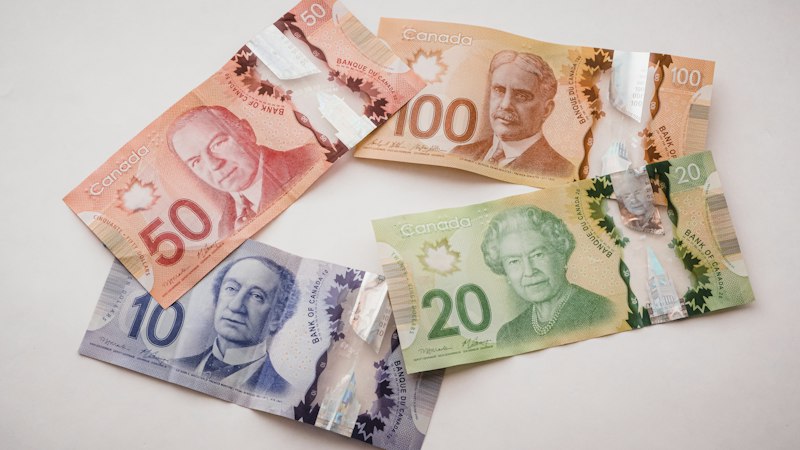
Budgeting for Inflation in Canada 2026: Tips and Strategies to Protect Your Savings
Discover how to budget for inflation in Canada in 2026, with practical tips and strategies to protect your savings.

Canada Interest Rates: What They Mean for Savings, Mortgages, and Stocks
A practical breakdown of how interest rates affect cash returns, borrowing costs, and TSX Composite investing decisions for Canada households.

Tax Savings in Canada: The Personal Finance Moves to Make Now
A timely Canada personal finance guide covering cash, debt, investing, local accounts, and tax considerations while tax savings ranks 66/100.

How to Buy a Car Without Wasting Money
Cars depreciate faster than almost any other purchase. Here is how to minimise the true cost of vehicle ownership.
Choose a Month for Each Household Budget Expense
Create a monthly date rule for household expenses using existing receipts and statements, with a worksheet for uncertain dates and separate planned costs.
Compare Current and Proposed Monthly Household Costs
Create a side-by-side monthly worksheet using existing bills, statements and proposed costs, with separate notes for assumptions and unresolved amounts.
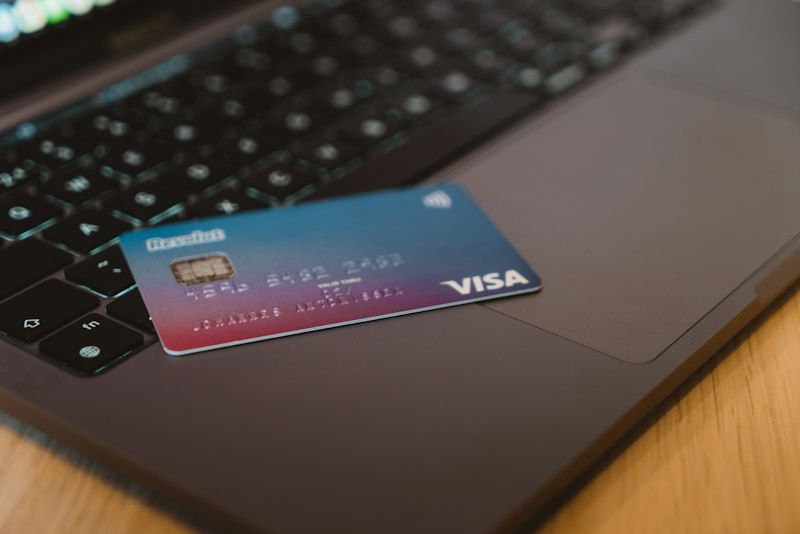
Credit Card Rewards: How to Maximise Points and Cashback
Credit card rewards can be worth hundreds per year — if you use them correctly without carrying a balance.
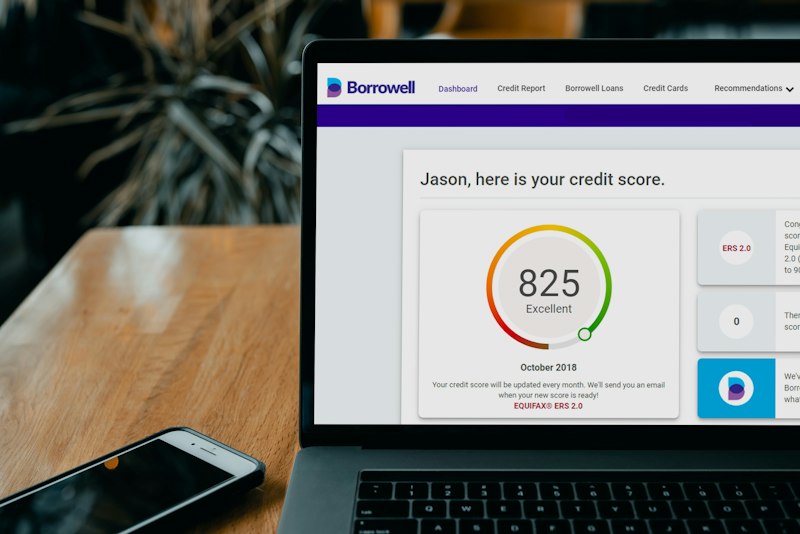
How to Improve Your Credit Score
Your credit score affects mortgages, loans, and credit cards. Here is how to understand and improve it.
Define Who Is Included in Your Monthly Household Budget
Create a monthly scope note showing whose income and costs belong in a shared household budget, using existing statements, bills and planned amounts.

How to Set Financial Goals You Actually Achieve
Most financial goals fail because they are vague. Here is a system for setting and hitting specific money targets.

First Home Buyer Guide
Everything first-time buyers need to know about saving for a deposit, getting a mortgage, and buying a home.

High-Yield Savings Accounts: Where to Park Your Cash
Leaving cash in a low-interest account costs you money. Here are the best high-yield savings options.
How Much Emergency Fund Do You Need in Canada?
The definitive Canadian guide to emergency funds — the right amount, where to keep it in a high-interest savings account, and how to build one faster.
How to Build a Budget That Works in Canada
A practical, Canadian-specific budgeting guide that covers TFSA contributions, CPP deductions, and why most budgets fail — and how to fix that.

A Step-by-Step Guide to Creating a Budget for First-Time Homebuyers in Canada
Navigate the challenges of first-time homebuying in Canada with this comprehensive budgeting guide, covering expenses, savings, and financial planning.
How to Create an Emergency Fund in Canada: A Step-by-Step Guide
Learn how to create an emergency fund in Canada and find out why it's essential for your financial stability and security.
How to Label Estimates in Your Monthly Household Budget
Create an optional worksheet that distinguishes documented costs, estimates and unresolved amounts, then use it to review your monthly household budget.

Life Insurance: What You Need and What to Skip
Life insurance is essential for some and unnecessary for others. Here is how to figure out what you actually need.
List Missing Records for Your Monthly Household Budget
Create a monthly checklist for missing statements, bills and receipts, record unresolved amounts, and keep those gaps visible beside your household budget.
Prepare a Monthly Budget Input Sheet After Moving
Organise existing bills, statements and planned costs after a household move, with a monthly input sheet that keeps confirmed amounts and unresolved items separate.
Keep a Monthly Budget Revision Log for Household Costs
Use existing bills and statements to record changes to planned household costs, carry revised amounts into a monthly budget, and keep unresolved amounts visible.
Make a Category Key for Your Monthly Household Budget
Create a monthly category key that connects labels on existing bills and statements to your household budget, with scope notes and a separate unresolved list.
Create a Monthly Household Budget Responsibility Sheet
Use existing bills and statements to assign who gathers, enters and reviews household budget figures, with a monthly worksheet and planning surplus example.
Build a Monthly Register for Occasional Household Costs
Use existing bills and planned costs to organise occasional household expenses, record monthly planning amounts and include them in your household budget.
Keep a Monthly Waiting List for Planned Household Purchases
Organise optional household purchases awaiting a budget decision, using existing receipts and planned costs, with a monthly review and worked budget example.

How to Negotiate Your Bills and Cut Subscriptions
Thousands of dollars per year are wasted on overpriced bills and unused subscriptions. Here is how to fix it.
How to Track Your Net Worth in Canada
Net worth is the most important financial number most Canadians never calculate. Here is how to calculate yours, track it over time, and include TFSA, RRSP, and real estate correctly.
Record Savings Transfers in Your Monthly Household Budget
Use existing account statements to keep a monthly savings-transfer register, separate transfers from household costs, and compare transfers with your plan.
Renting vs Buying: Which Makes More Financial Sense?
The rent vs. buy debate depends on more than monthly costs. Here is how to run the numbers for your situation.
Save a Month-End Snapshot of Your Household Budget
Create a saved monthly budget snapshot from existing records, with a clear scope, unresolved items, a planning surplus and notes for the following month.
Show How Each Monthly Budget Amount Was Calculated
Add calculation notes beside monthly household budget amounts using existing bills and statements, with a worked example and a method for recording unresolved inputs.
Track Paid and Unpaid Costs in Your Monthly Budget
Create a monthly payment-status checklist from existing bills and statements, keeping recorded payments, outstanding costs and unresolved items distinct.
Zero-Based Budgeting: How It Works and a Worked Canadian Example
Zero-based budgeting assigns every dollar of your income a specific purpose. Here is how the method works and a step-by-step example using a typical Canadian household budget in CAD.
Get More Budgeting & Saving Guides
New articles every week. Join our newsletter to never miss one.
Join the Newsletter