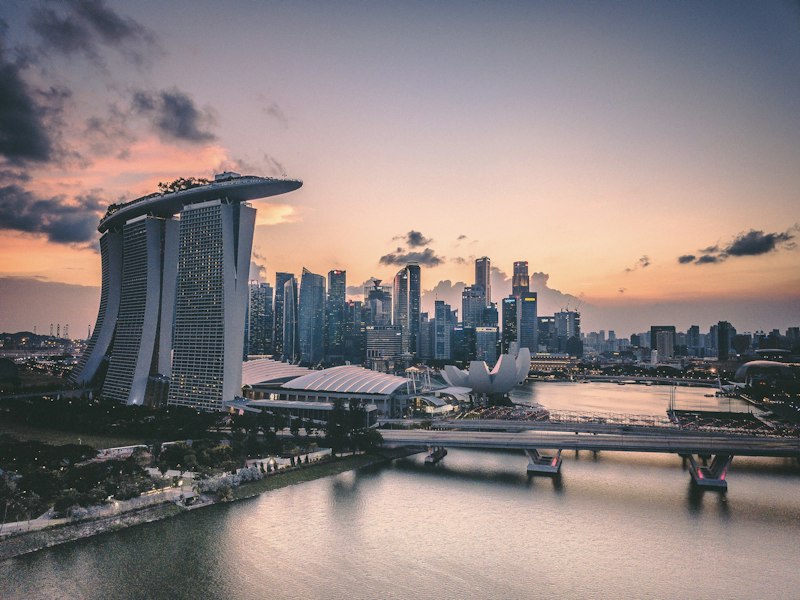
Retirement Planning in Singapore for Expats: A Guide
Discover how to plan for retirement as an expat in Singapore, and learn about the best strategies for building a secure financial future.

As an expat in Singapore, planning for retirement can be a complex and daunting task, especially when navigating the country's unique financial landscape, including retirement planning in Singapore. With the city-state's progressive income tax system, ranging from 0% to 22%, and the lack of capital gains tax and dividend withholding tax, it's essential to understand how to maximize your savings and investments. One key aspect of retirement planning is utilizing the Central Provident Fund (CPF) system, which includes the Ordinary Account (OA), Special Account (SA), and Medisave Account (MA), each earning interest rates of 2.5%, 4%, and 4% per annum, respectively.
Understanding the CPF System
The CPF system is a crucial component of retirement planning in Singapore, and as an expat, it's essential to understand how it works. The CPF is divided into three accounts: the OA, SA, and MA. The OA can be used for housing, education, and investment, while the SA is primarily used for retirement and investment. The MA is used for healthcare expenses. As an expat, you may not be eligible for CPF contributions, but if you are a permanent resident, you can contribute to the CPF system. For example, if you earn a monthly salary of S$6,000, your employer will contribute 17% of your salary to your CPF account, while you will contribute 20%. This can be a significant boost to your retirement savings, especially when combined with other retirement savings strategies for Singaporeans.
To maximize your CPF savings, consider contributing to the SA, which earns a higher interest rate than the OA. You can also consider transferring funds from your OA to your SA to take advantage of the higher interest rate. Additionally, you can use your CPF funds to invest in a range of assets, including stocks, bonds, and unit trusts, through platforms like POEMS (Phillip Securities) or Tiger Brokers. For instance, you can invest in the Straits Times Index (STI) ETF, which tracks the performance of the STI, a key index in Singapore.
Investing for Retirement
Investing is a critical component of retirement planning, and as an expat in Singapore, you have access to a range of investment options. One popular option is the Supplementary Retirement Scheme (SRS), which allows you to contribute up to S$15,300 per annum, and is tax-deductible. The SRS can be used to invest in a range of assets, including stocks, bonds, and unit trusts. You can also consider investing in a retirement account, such as the CPF Investment Scheme, which allows you to invest your CPF funds in a range of assets.
When investing for retirement, it's essential to have a long-term perspective and to diversify your portfolio. Consider investing in a range of assets, including stocks, bonds, and real estate, to spread risk and increase potential returns. You can also consider using a robo-advisor, such as StashAway or Endowus, to manage your investments and provide a low-cost, diversified portfolio. For example, you can invest in a portfolio that tracks the STI, which has historically provided stable returns over the long term.
| Investment Option | Risk Level | Potential Returns |
|---|---|---|
| Stocks | High | 8% - 12% per annum |
| Bonds | Low | 2% - 4% per annum |
| Real Estate | Medium | 5% - 8% per annum |
| Unit Trusts | Medium | 4% - 8% per annum |
Tax Planning for Retirement
Tax planning is an essential aspect of retirement planning, and as an expat in Singapore, you need to understand how the tax system works. Singapore has a progressive income tax system, ranging from 0% to 22%, and there is no capital gains tax or dividend withholding tax. However, you may be subject to tax on your investment income, such as interest and dividends. To minimize your tax liability, consider investing in tax-efficient assets, such as index funds or ETFs, which have lower fees and are more tax-efficient than actively managed funds.
You can also consider using a tax wrapper, such as the SRS, to minimize your tax liability. The SRS allows you to contribute up to S$15,300 per annum, and is tax-deductible, which can help reduce your taxable income. Additionally, you can consider consulting a tax professional to ensure you are taking advantage of all the tax deductions and reliefs available to you. For instance, you can claim relief on your SRS contributions, which can help reduce your taxable income.
Creating a Retirement Plan
Creating a retirement plan is essential to ensure you have enough savings to last throughout your retirement. As an expat in Singapore, you should consider your retirement goals, such as when you want to retire, how much you need to save, and what kind of lifestyle you want to maintain. You should also consider your expenses, such as housing, food, and healthcare, and ensure you have enough savings to cover these costs.
To create a retirement plan, consider using a retirement calculator, such as the one provided by the CPF Board, to estimate how much you need to save for retirement. You can also consider consulting a financial advisor to help you create a personalized retirement plan. For example, you can use the Building Net Worth in Singapore: A 2026 Guide to help you create a comprehensive financial plan that includes retirement savings.
Frequently Asked Questions
How much should I save each month in Singapore for retirement? You should aim to save at least 10% to 20% of your income each month for retirement, depending on your age and retirement goals. For example, if you earn S$5,000 per month, you should aim to save at least S$500 to S$1,000 per month. You can also consider using the How to Budget for Inflation in Singapore: Tips and Strategies for 2026 guide to help you create a budget that includes retirement savings.
What is the best investment option for retirement in Singapore? The best investment option for retirement in Singapore depends on your risk tolerance, investment horizon, and retirement goals. Consider investing in a range of assets, including stocks, bonds, and unit trusts, to spread risk and increase potential returns. You can also consider using a robo-advisor, such as StashAway or Endowus, to manage your investments and provide a low-cost, diversified portfolio.
Can I use my CPF funds to invest in overseas assets? Yes, you can use your CPF funds to invest in overseas assets, such as stocks, bonds, and unit trusts, through platforms like POEMS (Phillip Securities) or Tiger Brokers. However, you should ensure that you understand the risks and fees associated with investing overseas, and consider consulting a financial advisor before making any investment decisions.
Summary
Retirement planning in Singapore as an expat requires careful consideration of the country's unique financial landscape, including the CPF system, investment options, and tax planning. By understanding the CPF system, investing for retirement, and creating a retirement plan, you can ensure a secure financial future. Remember to start planning early, be consistent, and seek professional advice when needed. With the right strategy and discipline, you can achieve your retirement goals and enjoy a comfortable retirement in Singapore. For more information on retirement planning, you can refer to the Retirement Planning in Singapore: A 2026 Guide or Retirement Savings Strategies for Singaporeans: A 2026 Guide.